

Picture a mid-size apparel brand posting nearly the same product photo to Instagram two years apart. In 2024, it would reach tens of thousands of people on organic alone. By 2026, the same post will barely clear a few thousand. Nothing about the product changed; everything about the platform did. That gap, the same effort for a fraction of the result, is the single best argument for paying attention to social trends in 2026.
Platforms now rewrite their own rules every few months. Algorithms shift, formats rise and fall, and the content that earned reach last quarter quietly stops working. For brands, the cost of ignoring those changes is not dramatic failure; it is a slow, invisible decline in visibility while competitors who adapted keep showing up in the feed.
Today, we break down the trends social media marketers should actually watch this year, such as short-form video, the resurgence of Facebook communities, mainstream AI content, social commerce, niche community building, and the rise of social search, and what each one means for how you spend your time and budget.
Why Social Media Trends Matter More Than Ever
Trends are not vanity metrics. They are a direct line to reach, engagement, and conversions. When a format or behavior catches on, the platforms amplify it, because more time spent in-app is the entire business model. Brands that move with that current get distribution for free; brands that fight it pay for every impression.
The mechanics are worth understanding. Modern feeds are engagement-weighted, not follower-weighted. A post that earns saves, shares, and watch time in its first hour gets pushed to people who don’t follow you yet, which is precisely why trending on social media compounds so quickly.
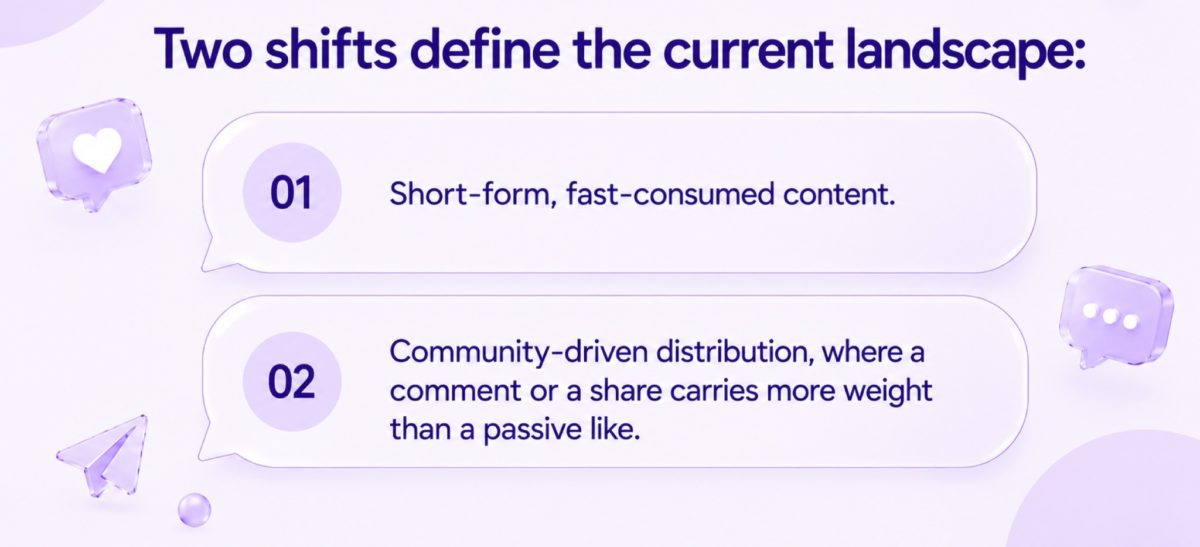
With 5.24 billion social media users worldwide in 2026 and growth slowing in mature markets, the game has changed from reaching new people to capturing more attention and transactions from the people already there.
Short-Form Video Still Dominates
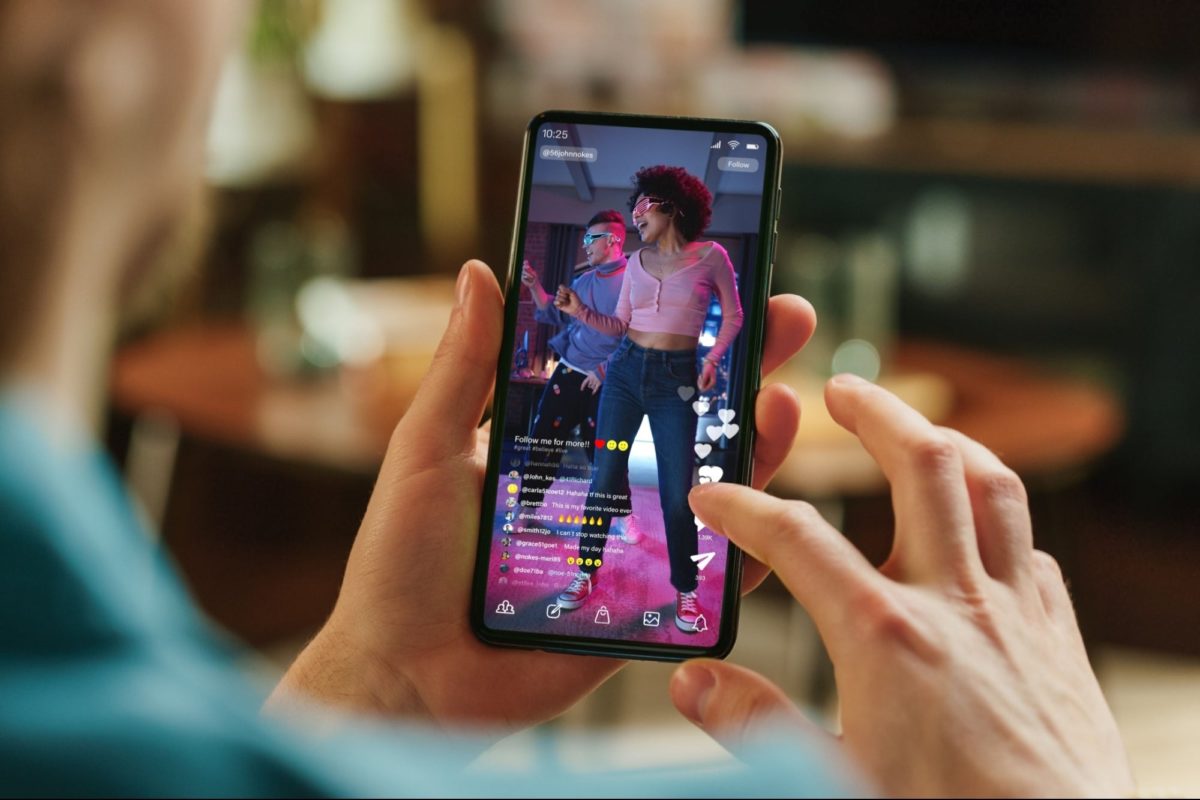
If you do one thing this year, get serious about vertical video. Reels, Shorts, and TikTok clips now account for roughly 58% of all time spent on social media, and short-form remains the top return on investment (ROI) driving format for marketers.
Why Trending TikToks Continue to Lead Engagement
TikTok still sets the pace. With close to two billion users, it is where viral culture is manufactured and where trending TikToks become the templates everyone else copies a week later.
What’s new in 2026 is the production layer: AI-assisted editing, auto-captioning, and interactive formats like polls and stitches have lowered the barrier to entry.
The trap for brands is forcing themselves into a trend that doesn’t fit. The brands that win participate on their own terms: adopting the format or sound, but anchoring it to something only they can say.
Vertical Video Across Every Platform
The vertical format is no longer TikTok’s alone. A single clip can be cut once and distributed everywhere:
- Instagram Reels: Now more than half of all ads shared on the platform, with the widest commercial reach of any Meta format.
- YouTube Shorts: Best treated as a discovery engine that funnels viewers toward longer videos and subscriptions.
- Facebook Video: Short-form is the most-interacted-with content type on Facebook, making it a serious channel rather than a Reels afterthought.
One note on the wider video story: long-form is quietly returning. Creator-led long videos earn more saves and make brands feel more credible, so the smartest 2026 play is short-form for reach, long-form for trust.
Trend on Facebook: What’s Working in 2026
Reports of Facebook’s irrelevance are exaggerated. The platform is evolving rather than fading, and the most useful trend on Facebook this year is the shift from broadcast to community.
Facebook Groups and Community Content
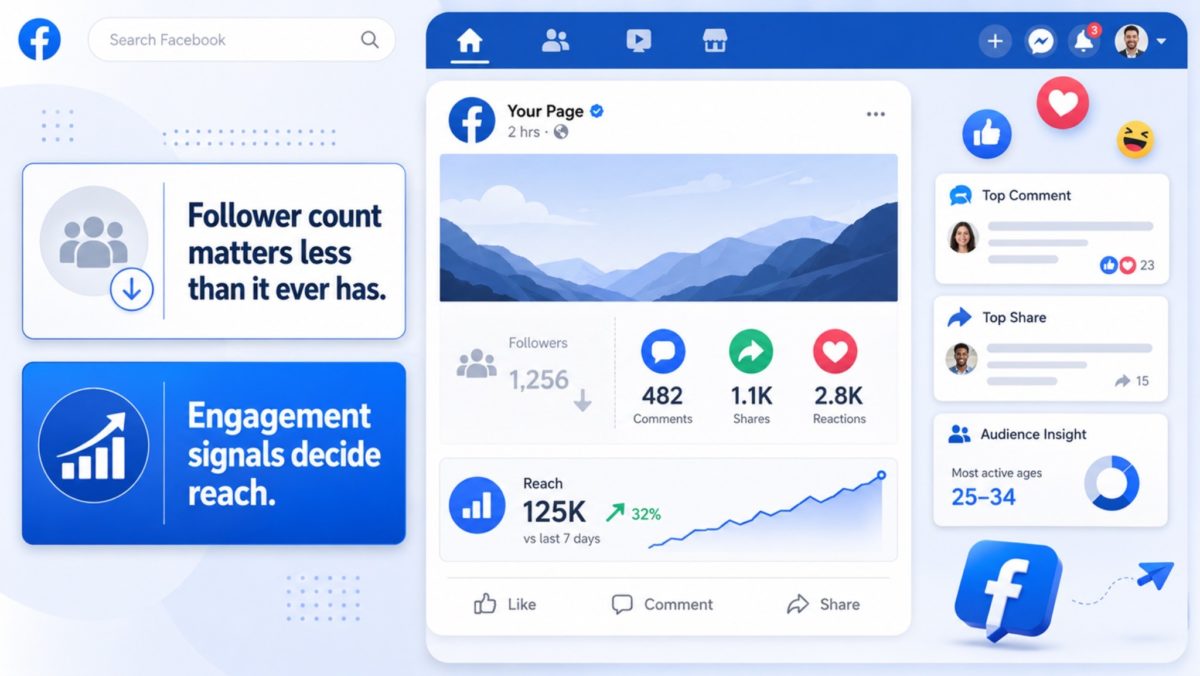
Private and niche Groups are where real conversations now happen. Local buy-and-sell communities, interest-based groups, and brand-run spaces drive engagement that the main feed can’t match. For local and specialty businesses, a well-run Group often outperforms a Page because members opt in to hear from you.
AI-Powered Recommendations and Engagement Signals
Facebook’s feed is increasingly personalized by AI, which means follower count matters less than it ever has. A page with 2,000 highly engaged followers can out-reach one with 50,000 passive ones, because the algorithm reads engagement signals like comments, shares, and dwell time as proof a post deserves distribution.
Video and Interactive Posts Are Leading
Static promotional posts are the weakest format on Facebook right now. What earns reach instead: short video, live streams, polls, and carousels that invite a tap. The common thread is participation; content that asks the viewer to do something travels further than content that asks them only to look.
AI-Generated Content Is Becoming Mainstream
AI moved from novelty to infrastructure this year. Around 94% of marketers now use AI tools in some part of their workflow.

AI Tools for Social Media Content Creation
The practical wins are concrete: caption and hook generation, automated video editing and resizing across platforms, and AI voiceovers or avatars for high-volume content. Used well, these tools collapse a day of production into an hour and let small teams post at a cadence that used to require an agency.
The Importance of Authenticity
Here is the counterweight, and it matters. Human-generated content is the number-one priority for users in 2026, and nearly a third of consumers say they’re less comfortable with content that looks obviously machine-made.
The winning model is AI for efficiency, humans for voice; let the tools handle drafts, variations, and repurposing, but keep a person in charge of perspective, taste, and cultural read. Automation that erases your brand’s personality is a net loss, however fast it is.
Social Commerce Keeps Growing
Social platforms are becoming storefronts. Social commerce is a $2.11 trillion market in 2026, growing faster than almost any other slice of e-commerce.
In-App Shopping Experiences
The friction between discovery and purchase is disappearing. TikTok Shop is projected to drive over $23 billion in U.S. sales, Instagram Shopping turns Reels into checkout, and Facebook Marketplace remains a default for local transactions.
The standout format is live shopping: shoppable live streams convert at up to 30%, versus 2-3% for standard e-commerce, because real-time interaction builds trust and urgency honestly.
Influencer-Led Product Discovery
Discovery increasingly runs through people, not brands. Micro-influencers convert better than celebrities because their audiences trust them, and user-generated content like reviews, unboxing videos, and demos now shape buying decisions more than polished brand ads.
The clearest recent example: creator Alix Earle’s casual posts drove a 200% sales jump for the soda brand Poppi, which PepsiCo later acquired for $1.95 billion.

New Social Media Trends in Community Building
Among the new social media trends reshaping strategy, the move toward smaller, deeper communities is the most underrated.
Smaller Communities Over Mass Audiences
Niche beats broad. A focused audience of people who genuinely care converts better than a sprawling one that barely notices you. Private channels, subscriber-only content, and tight interest groups are gaining value precisely because they filter for intent.
Two-Way Engagement Matters
Engagement is now a ranking factor and a loyalty driver; 73% of consumers say they’ll switch to a competitor if a brand doesn’t respond to them on social.
Replying in comments, running interactive stories, and inviting audience participation are no longer nice-to-haves. They are how the algorithm and your customers both decide whether you’re worth their time.
The Rise of Search-Based Social Media
Social platforms are eating into Google’s territory, and most brands haven’t adjusted.
Users Searching Directly on Social Platforms
A growing share of users, especially younger ones, open TikTok or Instagram to research a restaurant, product, or how-to before they ever touch a search engine. That makes SEO-friendly captions and hashtags a discovery tool, not decoration.
Optimizing Social Content for Discovery
Treat every post like a searchable page:
- Keyword-Rich Captions: Say what the video is about in plain words a person would actually type or speak.
- Conversational Phrasing: Match how people search out loud, since voice and natural-language queries now feed social search too.
- Specific Hashtags: Favor precise, intent-based tags over broad ones that bury you in noise.
How Brands Can Keep Up With Trends & Social Media Changes
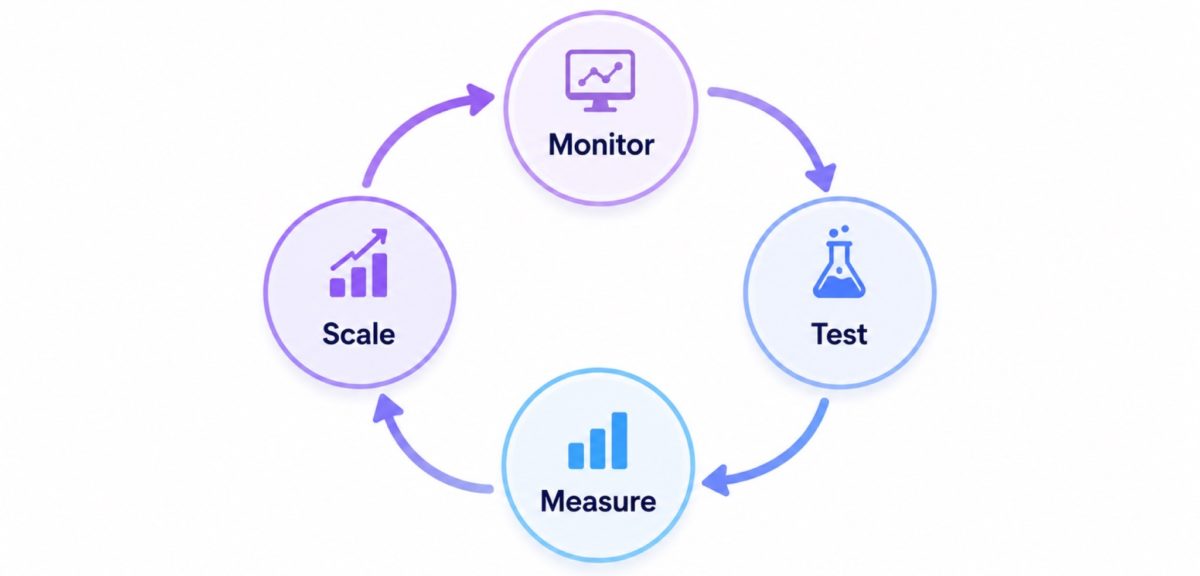
Keeping pace with trends social media platforms introduce isn’t about chasing every fad; it’s about a repeatable system:
- Monitor Platform Updates: Follow official creator and business channels so algorithm changes don’t catch you blind.
- Use Analytics to Spot Early Signals: Watch which of your own posts overperform, and lean into the pattern before it’s obvious to everyone.
- Test Before Competitors Do: Run small, cheap experiments with new formats. The early adopter of a format captures outsized reach while it’s still rewarded.
Putting 2026’s Social Trends to Work
The throughline across every trend this year is the same: platforms reward brands that move early and engage like humans. Short-form video still owns attention, Facebook communities are quietly thriving, AI has become table stakes, social commerce is a genuine revenue channel, and discovery increasingly happens inside the apps themselves. None of it stands still; the brands pulling ahead are the ones treating flexibility and experimentation as a standing habit, not a quarterly scramble.
You don’t need to win every trend. You need a system that catches them early and a team that can execute while the window is open. If keeping up with all of it on top of running your business feels like a losing race, that’s exactly the work Digilite’s social media marketing team does every day, turning shifting trends into a consistent presence that actually moves the numbers.