

E-commerce has revolutionized the way we shop, offering convenience, a wide variety of products, and the ability to shop from anywhere in the world. However, as more businesses enter the digital space, standing out from the crowd has become increasingly challenging. One of the key ways brands differentiate themselves is through personalization, creating tailored shopping experiences for each individual customer.
Artificial Intelligence (AI) is playing a major role in this transformation, offering businesses innovative tools to provide personalized shopping experiences that enhance customer satisfaction, loyalty, and ultimately, sales. In this blog, we will explore how AI is shaping the future of e-commerce and transforming how businesses interact with their customers.
The Power of Personalization in E-Commerce
Personalization has become the linchpin for successful e-commerce strategies. Gone are the days when businesses could rely on generic marketing to boost sales. Today’s consumers expect brands to recognize their needs, desires, and preferences from the moment they land on a site. Actually, 73% of consumers said they would rather interact with companies that provide individualized experiences.
But why is personalization so important?
- Customer Loyalty: Personalized experiences create emotional connections. Customers are more inclined to come back when they feel understood.
- Increased Conversions: Offering tailored recommendations increases the likelihood of a sale. Personalized product suggestions can increase conversion rates by 60%.
- Better ROI: Personalized experiences lead to higher customer satisfaction and retention, both of which improve long-term profitability.
How AI is Revolutionizing E-Commerce Personalization
AI brings personalized shopping to life through a combination of technologies like machine learning, predictive analytics, and natural language processing (NLP). These technologies work together to create smarter, more dynamic e-commerce experiences. Let’s break down how AI is enhancing e-commerce:
- Machine Learning: By processing vast datasets from customer interactions, machine learning helps businesses predict customer behavior, allowing for hyper-personalized product recommendations and promotions.
- Predictive Analytics: AI predicts future buying trends based on a customer’s past behavior. It can forecast what products they might like next, creating a shopping experience that feels intuitive.
- NLP: Through AI chatbots and virtual assistants, NLP allows customers to have a conversation with a brand, making the shopping experience feel more human and responsive.
Personalized Product Recommendations
AI’s product recommendation engines are one of the most common applications in e-commerce. By analyzing customer behavior, such as past purchases, searches, and even browsing patterns, AI can suggest relevant products that the customer is likely to buy.
Real-World Example:
Amazon’s product recommendations are legendary. With 35% of Amazon’s total sales attributed to its recommendation engine, it’s clear that personalization is a powerful tool. AI tracks everything from browsing history to previous purchases and even the time spent on each page to deliver the most relevant product suggestions.
It’s not just about showing products a customer might want; it’s about predicting what they need before they even know it themselves.
AI-Powered Dynamic Pricing
In e-commerce, pricing can make or break a sale. With AI-powered dynamic pricing, e-commerce businesses can adjust prices in real-time based on factors like market demand, competitor pricing, and customer behavior.
Real-World Example:
Ride-sharing giants like Uber and Lyft use AI to implement surge pricing. During high-demand times, the price increases dynamically, ensuring that both the company and the driver can meet the increased demand. Similarly, airlines adjust ticket prices based on demand and availability, a practice that AI helps to optimize.
Dynamic pricing is a game-changer for businesses because it allows them to maximize profits while ensuring competitive pricing for customers.
Visual Search and AI-Driven Image Recognition
Visual search technology, powered by AI, allows customers to search for products by uploading images. This makes shopping faster and more interactive, as customers don’t need to rely on keywords to find what they’re looking for.
Real-World Example:
Pinterest’s Lens feature is a great example of AI-driven visual search. Users can upload an image, and Pinterest’s AI identifies the objects in the picture and shows similar products from the platform’s database. For e-commerce businesses, incorporating visual search is a great way to make shopping more intuitive, encouraging customers to explore and purchase products more easily.
AI-Powered Virtual Try-Ons and Augmented Reality (AR)
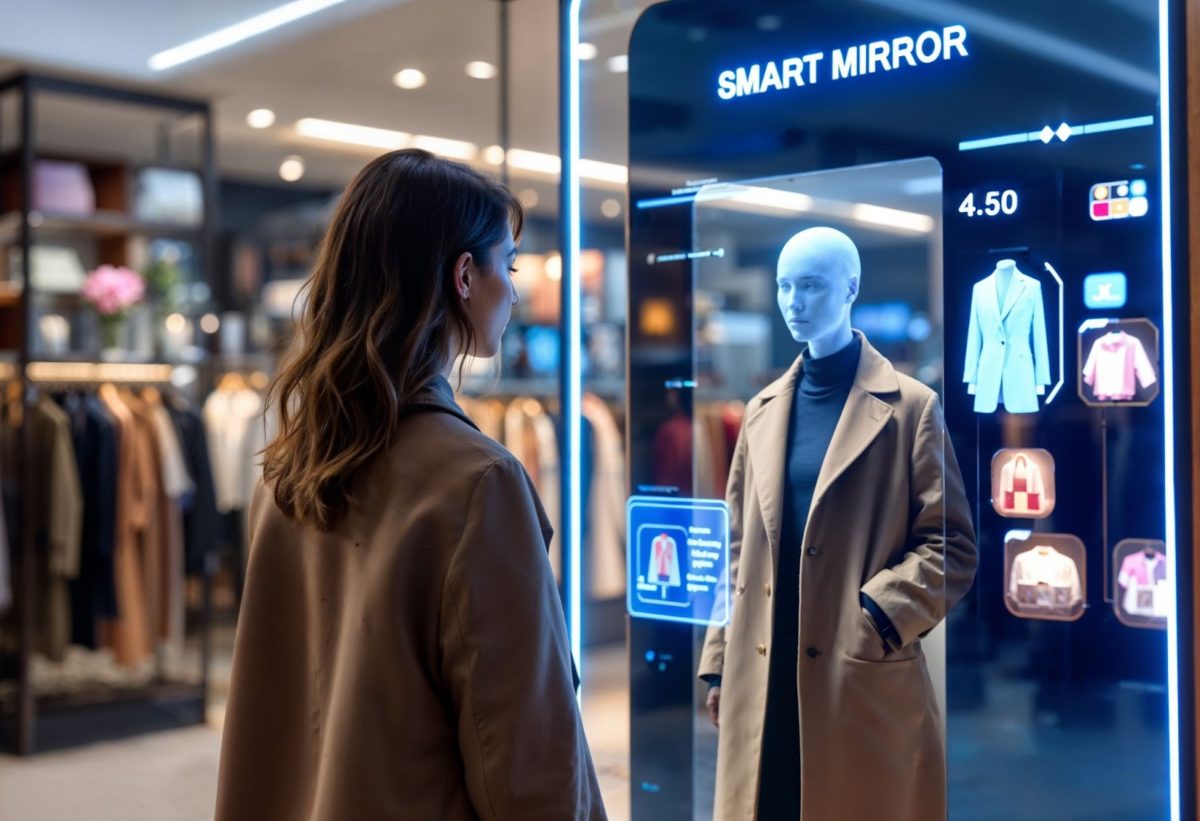
In industries like fashion and beauty, AI-powered virtual try-ons have taken personalization to the next level. Using AR, customers can try on clothes, makeup, and accessories virtually, without ever stepping into a store.
Real-World Example:
Sephora’s Virtual Artist allows users to try on makeup in real-time using their smartphone or desktop camera. By simply uploading a photo, customers can experiment with different looks and find the best products for their skin tone.
This combination of AI and AR technology has significantly improved shopping experiences, with virtual try-ons not only enhancing customer satisfaction but also leading to a 40% reduction in product return rates. Additionally, personalized recommendations have driven a 35% increase in sales conversions, while helping reduce inefficiencies in inventory and supply chain management.
AI in Customer Service: Chatbots and Virtual Assistants
AI is also making waves in customer service. With chatbots and virtual assistants, e-commerce platforms can provide instant, round-the-clock assistance to customers. These tools help businesses handle common inquiries, provide personalized recommendations, and even assist with purchase decisions.
Real-World Examples: AI Personalization at Scale
Let’s take a closer look at how some of the world’s most successful brands are leveraging AI to drive e-commerce personalization:
- Amazon: With AI-powered recommendations, Amazon has revolutionized online shopping. By analyzing data from millions of customers, the company creates a shopping experience that feels intuitive and personalized.
- Netflix: Netflix’s recommendation system uses AI to suggest shows based on viewing history, ratings, and watchlist activity. This keeps users engaged, increasing retention and viewing time.
- Starbucks: Starbucks uses AI to personalize loyalty rewards, offering customers personalized deals and promotions based on their buying habits and preferences.
These examples show how AI can scale personalization efforts, driving customer engagement and business success.
The Challenges and Limitations of AI in E-Commerce Personalization
Despite its many advantages, AI in e-commerce is not without its challenges:
- Data Privacy: As AI collects vast amounts of personal data, privacy concerns have become a major issue. Companies must be transparent about data usage and ensure compliance with privacy laws like GDPR.
- Algorithmic Bias: AI systems can sometimes perpetuate biases in recommendations, leading to unfair outcomes or skewed experiences.
- Over-Reliance on AI: While AI can enhance personalization, over-relying on it can lead to a lack of human touch, which some customers may prefer.
Balancing the power of AI with ethical considerations is essential to ensuring trust and satisfaction.
The Future of AI in E-Commerce Personalization
The future of AI in e-commerce personalization looks incredibly promising:
- Hyper-Personalization: In the coming years, AI will offer even more refined recommendations, using data from wearable devices, IoT, and social media to create deeply personalized experiences.
- Omnichannel Shopping: AI will ensure a seamless experience across all shopping platforms, whether online, mobile, or in-store, enabling businesses to meet customers wherever they are.
- Conversational AI: Expect more advanced chatbots and virtual assistants that can offer deeper personalization and facilitate more meaningful interactions.
AI is already playing a pivotal role in shaping the future of e-commerce. From personalized product recommendations to AI-powered virtual try-ons, the possibilities are endless. As technology advances, businesses that embrace AI-driven personalization will not only enhance customer satisfaction but also increase conversion rates and brand loyalty. Contact us to find personalized AI solutions.
FAQs
How does AI improve the personalization of shopping experiences?
AI analyzes customer behavior and preferences to offer tailored product recommendations, dynamic pricing, and efficient customer service, improving the overall shopping experience.
Can AI-powered personalization boost e-commerce sales?
Yes! AI helps businesses create a more engaging shopping experience, leading to higher conversion rates, more frequent purchases, and improved customer loyalty.
Is AI in e-commerce safe for customer data?
AI in e-commerce can be safe when businesses follow data privacy regulations like GDPR and ensure transparency with customers about how their data is used.
What are the latest AI trends in e-commerce personalization?
Key trends include hyper-personalization, conversational AI, omnichannel shopping experiences, and advanced visual search technologies.
How can small businesses use AI for e-commerce personalization?
Small businesses can start by using AI-powered recommendation engines, chatbots, and dynamic pricing tools to enhance the shopping experience for their customers.